
From Vision to Installation: How a Custom Kitchen Cabinet Project Actually Works in Ontario
A realistic, week-by-week guide to a custom kitchen cabinet project in Ontario. Real timelines, decisions you'll make at each stage, common mistakes to avoid, and how to keep a 14-week project from becoming a 24-week one.
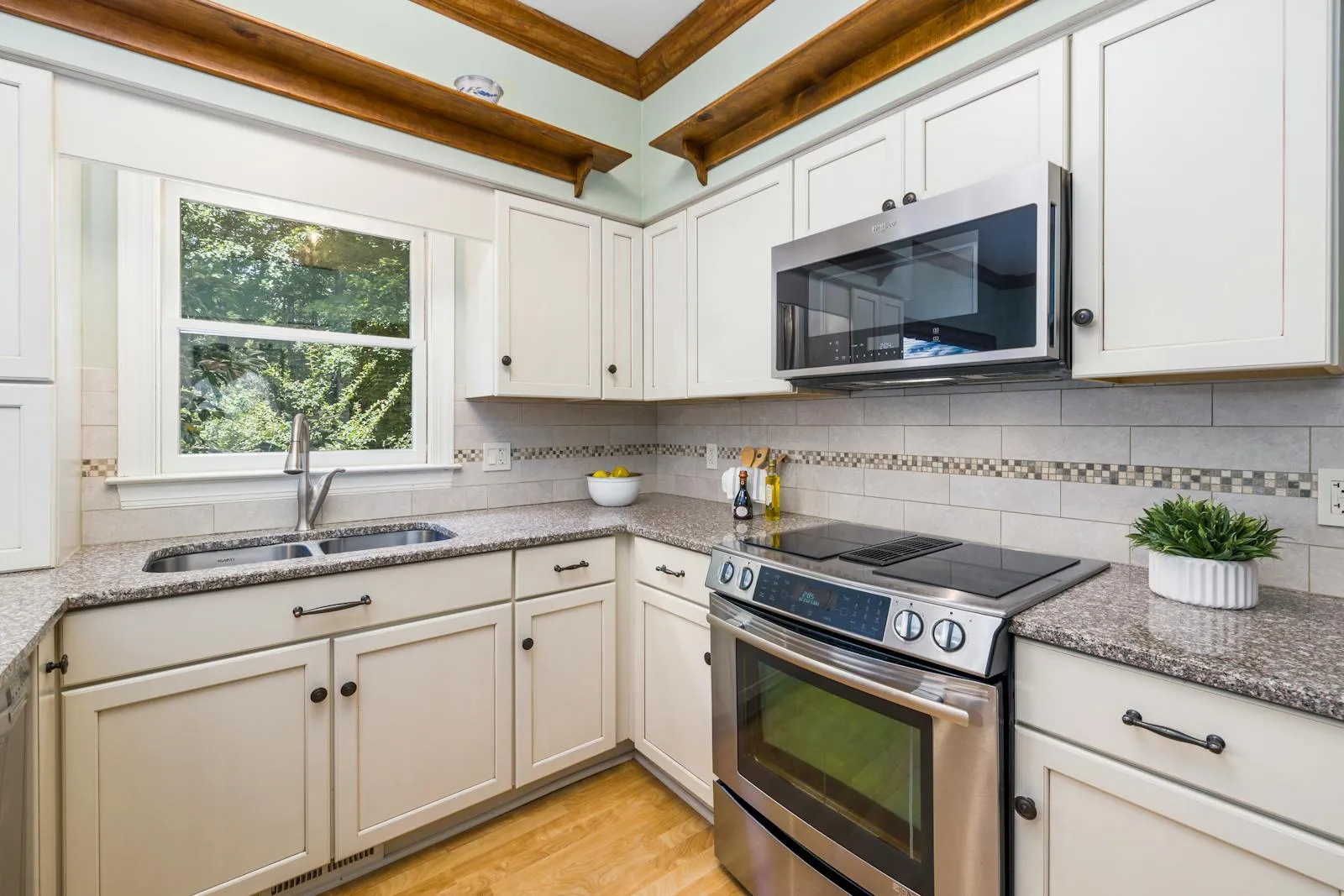
A custom kitchen cabinet project in Ontario is not a single event. It is a chain of roughly twelve to sixteen weeks of decisions, deliveries, and dust, each stage dependent on the one before it. Most homeowners go in expecting a “kitchen renovation” and discover, partway through, that they signed up for a logistics project with surprisingly little forgiveness for delay.
This guide maps the full journey from your first design conversation to the final scribe pieces being installed, what decisions you’ll have to make at each stage, where projects typically run late, and how to keep yours on schedule.
What is a typical custom cabinet project timeline in Ontario?
A standard custom or semi-custom kitchen cabinet project in the GTA in 2026 takes 12 to 16 weeks from first deposit to final install. Roughly half of that is design and manufacturing, the other half is on-site work. The breakdown:
| Stage | Typical duration | Who is doing what |
|---|---|---|
| Initial consultation and quote | 1 to 2 weeks | You + designer |
| Design development and finalization | 2 to 4 weeks | You + designer |
| Order placement, technical drawings, deposit | 1 week | Shop |
| Manufacturing | 6 to 10 weeks | Shop / factory |
| Delivery and staging | 1 to 3 days | Shop |
| Demolition of existing kitchen | 1 to 3 days | GC or installer |
| Plumbing, electrical, drywall (if applicable) | 1 to 2 weeks | Trades |
| Cabinet installation | 3 to 7 days | Installer |
| Countertop template, fabrication, install | 2 to 3 weeks | Stone shop |
| Backsplash, plumbing fixtures, appliances | 3 to 5 days | Trades |
| Final scribe, hardware, punch list | 1 to 2 days | Installer |
The single biggest variable is manufacturing lead time, which has stretched in the post-2020 Canadian market and now routinely sits at 8 to 12 weeks for custom Ontario shops in 2026. Projects with imported European components or custom paint colour matching often add another 2 to 4 weeks.
For full project budgeting context, see our 2026 Ontario kitchen cabinet cost guide.
Stage 1: Initial consultation (Weeks 1 to 2)
The first conversation is where the project’s foundation gets set, for better or worse. A good initial consultation in Ontario typically includes a measured site visit, a discussion of how you cook and live, an overview of door styles and finishes, and a rough budget range.
Bring to the first meeting:
- Photos of kitchens you like and don’t like, with notes on why.
- A rough budget. Even a wide range like “$25,000 to $45,000 in cabinets” helps. Without one, the designer is guessing.
- A list of non-negotiables: dishwasher location, induction or gas, appliance brands, must-have storage features.
- An honest answer to “how long will you live here.” A 5-year horizon and a 25-year horizon produce different kitchens.
Watch for a designer who quotes a kitchen before measuring or before asking how you cook. That is a sales conversation, not a design conversation. A real Ontario designer will measure with a laser, photograph corners and outlets, and ask about your cooking habits before discussing money.
For more on what cabinet pricing actually means in Ontario, see our cost guide.
Stage 2: Design development (Weeks 2 to 6)
This is the longest pre-manufacturing stage and the one where most projects either gain momentum or quietly stall. Design development in 2026 typically uses 3D rendering software (often 2020 Design, KCDw, AutoCAD, or SketchUp) to produce realistic visualizations you can review and revise.
A typical design timeline looks like:
- Week 2. First 3D draft based on the consultation. Usually 60 to 70 percent right.
- Week 3 to 4. One or two revision rounds based on your feedback.
- Week 4 to 5. Final layout locked. Door style, finish, hardware, and storage features confirmed.
- Week 5 to 6. Detailed elevation drawings, dimension verification, and final pricing.
The design choices you’ll need to make in this window:
- Door style. Shaker, slab, inset, beaded, slim shaker. See our shaker vs slab guide for the full comparison.
- Finish and colour. Painted, stained, laminate, thermofoil, acrylic, veneer. See our cabinet finish guide.
- Hardware. Knobs, pulls, edge pulls, push-to-open. Brand and finish.
- Storage features. Pull-out pantries, corner solutions, drawer dividers, integrated waste bins.
- Appliance integration. Panel-ready dishwasher and fridge, integrated hood, over-the-range microwave or separate.
- Counter material. Quartz, quartzite, granite, marble, butcher block. The material affects cabinet structural requirements (heavier stones need beefier base cabinets).
The single biggest cause of delay at this stage is design indecision. Showrooms in Toronto and the GTA report that homeowners who change their door style or finish after week 4 typically add 2 to 6 weeks to the total project timeline. Lock decisions early.
Stage 3: Order placement and deposit (Week 6 to 7)
Once the design is final, the shop produces technical manufacturing drawings, you sign off, and you place a deposit. In Ontario in 2026, deposit structures vary:
- Semi-custom dealers. Often 50 percent on order, balance on delivery.
- Local custom shops. Often 40 to 50 percent on order, 40 to 50 percent before delivery, 10 to 20 percent on completion.
- High-end European or fully custom. Sometimes 30 / 30 / 30 / 10 across design, manufacturing, delivery, and completion.
Always pay by credit card, EFT, or cheque to the registered business name, never to a personal account. Ask for a written contract that specifies what is and is not included, the change-order process, and the warranty terms.
Once the deposit clears, the manufacturing clock starts. From this moment, changes get expensive fast. Most Ontario shops charge change-order fees of $200 to $1,500 per modification after order placement, plus any material costs.
Stage 4: Manufacturing (Weeks 7 to 14)
This is the longest stage and the one with the least visibility for the homeowner. Depending on the shop, your cabinets are either being built in a workshop within driving distance of your home (custom Ontario shops), in a Quebec or US Midwest factory (semi-custom), or in Europe (high-end imported lines).
A typical manufacturing sequence:
- Cut list and material order. The shop orders sheet goods, hardware, and finish materials sized to your project.
- Box construction. Cabinet boxes are cut, edge-banded, and assembled. Plywood boxes take longer than particleboard and require more precise tolerances.
- Door manufacturing. Doors are built, sanded, primed, and finished. Painted doors require multiple coats with cure time between each. A well-finished painted shaker door spends 5 to 10 days in the finishing booth alone.
- Drawer box construction. Solid maple dovetailed boxes (the upper-tier standard in Ontario) take longer than stapled birch ply.
- Hardware fitting and quality control. Hinges, slides, and pulls are pre-fitted and tested.
- Crating and delivery scheduling. Cabinets are wrapped, crated, and a delivery date is set.
What you should be doing during these eight weeks:
- Confirm appliance delivery. Appliances need to be on-site (or arriving the same week as cabinets) so the installer can verify dimensions during install.
- Schedule trades. Plumbing, electrical, and drywall need to be booked for the demolition window.
- Order counters early. Stone fabricators in Ontario typically template after cabinets are installed, with a 2 to 3 week fabrication window. The counter timeline is in addition to the cabinet timeline.
- Plan kitchen-out time. A typical Ontario kitchen renovation leaves you without a kitchen for 4 to 8 weeks. Set up a temporary kitchen in another room with a microwave, kettle, and bar fridge.
- Confirm permits if required. Most cabinet swaps don’t trigger a permit in Ontario, but moving plumbing or electrical usually does.
Stage 5: Delivery and demolition (Week 14 to 15)
Cabinets arrive crated. A good shop inspects every piece on delivery, photographs any damage, and notifies you immediately if something needs replacement. Damaged crates with visible impact should not be opened until the shop sees them.
Demolition is fast. A typical Ontario kitchen with no surprises is gone in one to two days. Older Toronto homes (anything pre-1960) regularly reveal:
- Knob-and-tube wiring behind the old cabinets.
- Lath and plaster walls instead of drywall.
- Out-of-square corners and out-of-level floors that affect cabinet install.
- Asbestos-containing tile or backsplash adhesive (requires testing and abatement).
- Active or historic plumbing leaks behind the old sink cabinet.
Budget 5 to 10 percent of your total project cost as a contingency for what demolition reveals. Even modest renovations regularly need it.
Stage 6: Plumbing, electrical, and drywall (Weeks 15 to 16)
Once demolition is complete and the kitchen is open, plumbing and electrical work happens before cabinets are installed. Common updates in Ontario kitchens:
- Sink relocation (typically $600 to $1,800).
- New circuits for induction range, microwave, dishwasher (typically $400 to $1,200 each).
- Under-cabinet lighting wiring.
- Outlets relocated to match the new layout.
- Range hood ducting to exterior.
After trades finish, drywall is patched, primed, and sometimes painted. The walls need to be flat enough for cabinets to install cleanly. Skipping or rushing drywall prep at this stage produces gaps behind cabinets that show when furniture is moved or panels are removed.
Stage 7: Cabinet installation (Week 16, 3 to 7 days)
Cabinet installation is the most visible stage and the one homeowners often expect to take longer than it does. In Ontario, a typical 22-linear-foot kitchen installs in 3 to 5 days with a two-person crew. Larger kitchens with islands, integrated appliances, and complex panels stretch to 5 to 7 days.
The sequence:
- Layout and marking. The installer establishes a level reference line around the room. In older Ontario homes with sloped floors, this is more art than science.
- Upper cabinets first. Upper cabinets are hung against the level line, scribed to walls, and secured to studs.
- Lower cabinets. Bases are levelled with shims, joined together, and secured.
- Tall cabinets and pantries. Floor-to-ceiling units are positioned, levelled, and scribed.
- Doors, drawers, hardware. Soft-close adjustments, drawer alignment, knob and pull installation.
- Crown moulding, light valences, end panels, toe kicks. Finishing trim that ties cabinets to the architecture.
- Punch list and adjustments. Any rubbing doors, misaligned drawers, or missing pieces get addressed.
Watch for shortcuts at this stage. Cabinets installed without proper levelling on uneven floors will have visibly uneven counters once stone is templated and installed. A good Ontario installer takes the time to shim properly even if it adds half a day.
Stage 8: Counters, backsplash, and final fixtures (Weeks 17 to 18)
Once cabinets are installed and the doors are on, the stone fabricator templates the counters. This is a digital or laser scan of the actual installed cabinets, not the design drawing. Counters are then fabricated and installed within 2 to 3 weeks in the Ontario market.
While counters are being fabricated:
- Plumbing fixtures get rough-set (sink, faucet, dishwasher).
- Backsplash tile gets ordered and scheduled (typically can’t be installed until counters are in).
- Appliances get connected and tested.
Once counters are in:
- Backsplash gets installed, grouted, and sealed (3 to 5 days).
- Sink and faucet final connections.
- Range, hood, and dishwasher final installation.
- Under-cabinet lighting connection and testing.
Stage 9: Final walkthrough and punch list (Week 18)
The final stage is the punch list: a written list of items that need adjustment, repair, or replacement. Common punch-list items on Ontario projects:
- Door alignment adjustments after doors settle on hinges.
- Drawer slide tuning.
- Touch-ups on paint dings from install.
- Missing cabinet pieces (often filler strips or end panels that arrived late).
- Final scribe pieces against walls and ceilings.
- Hardware replacement for pieces installed off-centre.
Do the walkthrough during daylight, with a notepad. Open every drawer. Close every door. Run your hand along every cabinet edge. Note anything that catches, rubs, or looks off. A good Ontario shop will return within two weeks to address punch-list items at no charge.
How projects actually run late
The four most common reasons Ontario kitchen cabinet projects slip past the 16-week target:
- Late design decisions. Door style or finish changes after week 4 reset the manufacturing clock by 2 to 6 weeks.
- Custom paint colour matching. Adds 1 to 3 weeks to manufacturing in 2026.
- Demolition surprises. Knob-and-tube, asbestos, or leaks add 1 to 4 weeks while abatement and remediation happen.
- Counter fabrication backlog. Stone shops in the GTA are routinely 3 to 4 weeks out in peak season (May to October). Plan accordingly.
Projects that finish on or near schedule almost always have the same things in common: decisions locked early, contingency budgeted, trades booked in advance, and an installer who has worked with the cabinet shop before.
Frequently asked questions
How long does a custom kitchen cabinet project take in Ontario?
A typical custom or semi-custom kitchen cabinet project in Ontario takes 12 to 16 weeks from initial consultation to final installation in 2026. Roughly half of that is design and manufacturing, the other half is on-site demolition and installation. Larger or more complex projects, especially those with custom paint matching or imported European components, regularly run 18 to 22 weeks.
Can I live in my home during a kitchen renovation?
Yes, most Ontario homeowners stay in the home throughout a kitchen project. Plan for 4 to 8 weeks without a functional kitchen. Set up a temporary kitchen in another room with a microwave, kettle, toaster oven, and bar fridge. Plan to eat out or order in at higher than usual frequency. The dust during demolition is significant; seal off the kitchen entrance with plastic sheeting if other rooms are still in use.
Do I need a permit for a kitchen renovation in Ontario?
A pure cabinet swap (no plumbing or electrical changes) generally does not require a permit in most Ontario municipalities. Moving plumbing, adding electrical circuits, or changing structural elements does require a permit. Permit fees in the GTA typically run $200 to $700 and add 1 to 3 weeks to the timeline. Always confirm with your municipality.
What is the most common cause of project delays?
Design indecision after the order has been placed is by far the most common cause of delays in Ontario kitchen cabinet projects. Door style or finish changes made after week 4 typically add 2 to 6 weeks to the total timeline and can incur change-order fees of $200 to $1,500 per change. The single most effective thing a homeowner can do to keep a project on schedule is lock the design before manufacturing starts.
When should I order my appliances?
Order appliances no later than week 6 of the project (during design finalization) to ensure they arrive before cabinet installation begins. The installer needs the actual appliances on site, or confirmed dimensions in writing, to install panel-ready dishwashers, fridges, and integrated hoods correctly. Late appliance delivery is a common cause of installation rework and follow-up visits.
How do I avoid scope creep during the project?
Lock the design before the deposit clears. Resist the urge to add “one more thing” once manufacturing has started. Every change after order placement costs both time and money. If you discover something you wish you had included, write it down and address it as a Phase 2 item rather than disrupting the active build.
Bottom line
A custom kitchen cabinet project in Ontario is a 14 to 16 week project, not a 4 to 6 week one. The homeowners who finish on schedule and on budget are the ones who treat it like a logistics project: lock decisions early, budget contingency, book trades in parallel, and resist mid-project changes. The kitchen itself is the easy part. The chain of decisions and dependencies that produce it is the real work.
Keep reading
All posts-
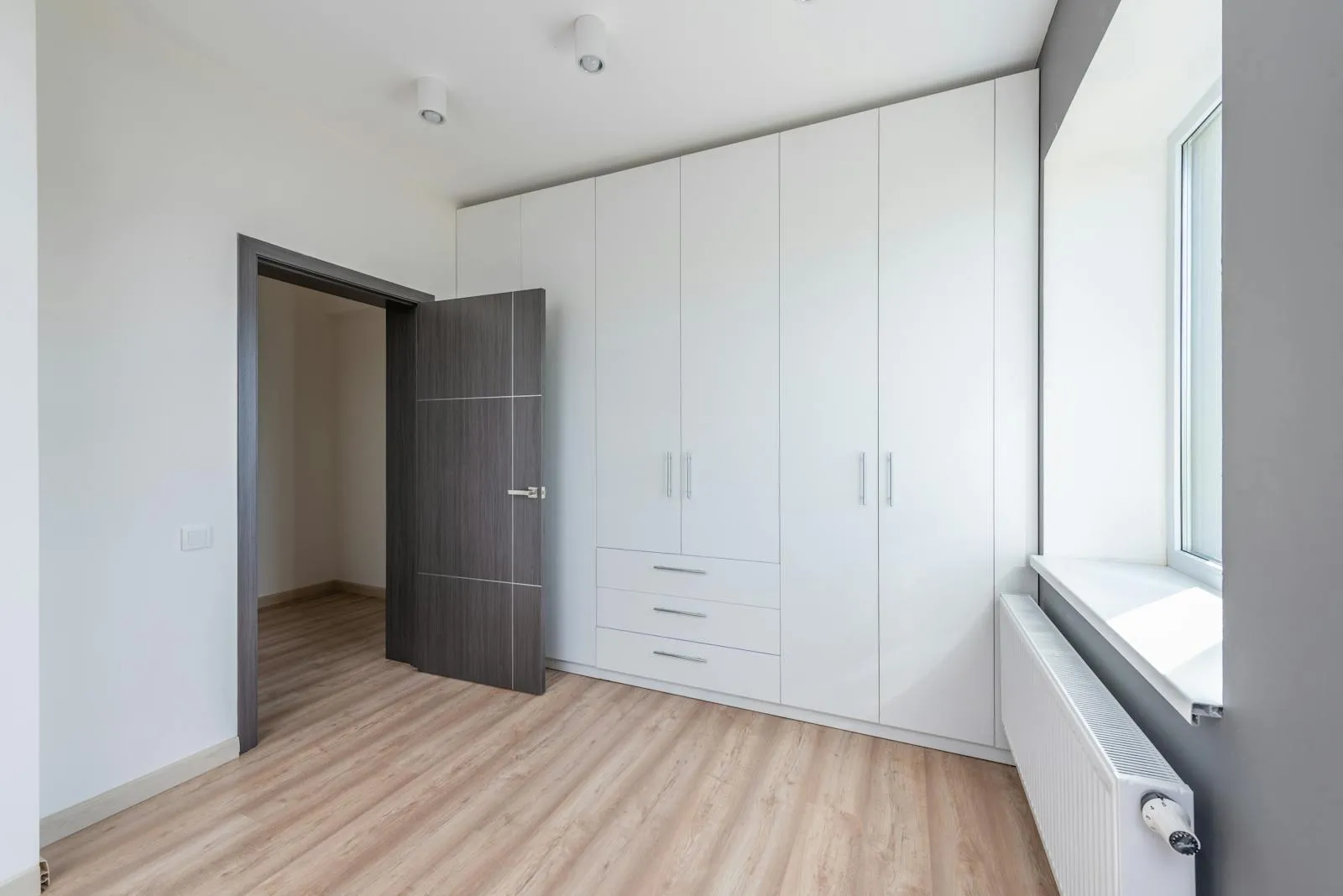
Shaker vs Slab Cabinet Doors: A Practical Guide for Ontario Kitchens
Shaker or slab cabinet doors? A homeowner-focused comparison of cost, durability, cleaning, resale value, and how each style performs in Ontario kitchens, with a clear decision framework.
-
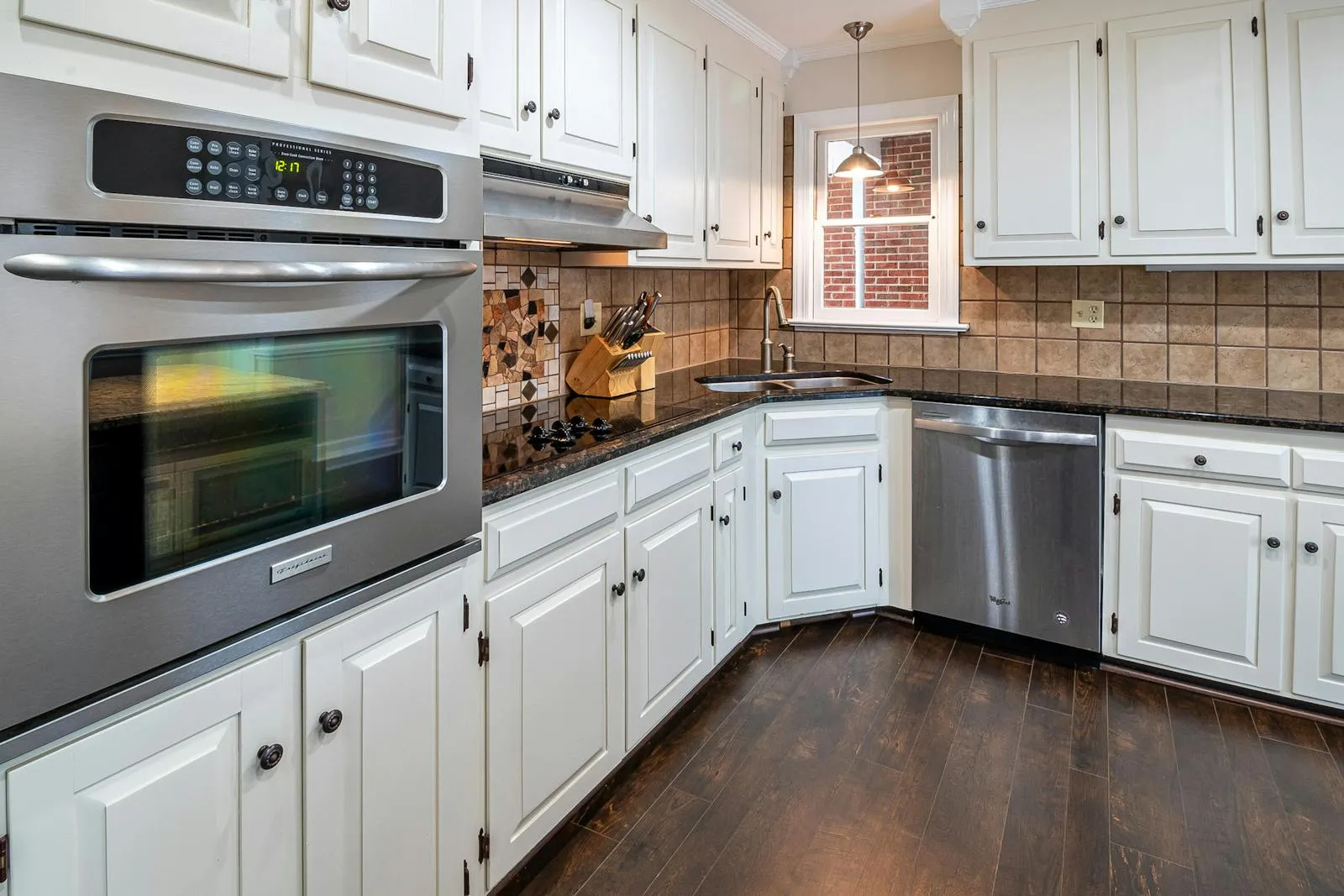
How Much Do Kitchen Cabinets Cost in Ontario? A 2026 Pricing Guide
Real 2026 pricing for stock, semi-custom, and custom kitchen cabinets in Ontario. Includes per-linear-foot ranges in CAD, GTA labour rates, hidden costs, and how to budget without surprises.