
Shaker vs Slab Cabinet Doors: A Practical Guide for Ontario Kitchens
Shaker or slab cabinet doors? A homeowner-focused comparison of cost, durability, cleaning, resale value, and how each style performs in Ontario kitchens, with a clear decision framework.
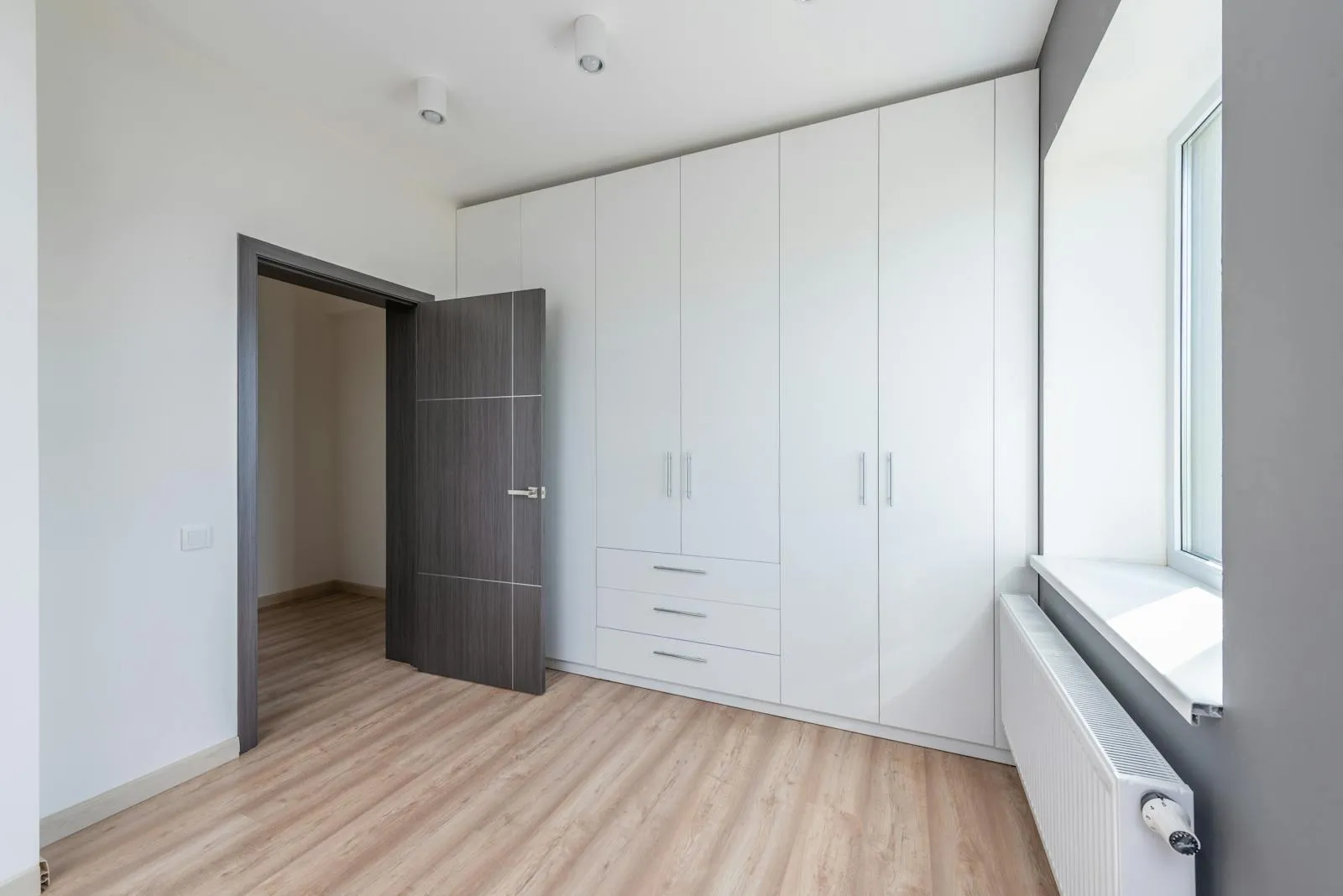
Walk into any Ontario kitchen showroom in 2026 and you will see two door styles competing for almost every project: the five-piece shaker and the flat slab. Together they account for the vast majority of cabinet doors sold in Canada, from IKEA SEKTION to high-end custom workshops in the GTA. Choosing between them is rarely about taste alone. Each one carries real consequences for cost, cleaning, durability, and resale.
This guide compares shaker and slab cabinet doors the way an Ontario homeowner actually has to think about them, and ends with a simple framework for picking the right one for your space.
Quick answer: shaker vs slab
Shaker cabinet doors are a five-piece design with a flat centre panel and a raised rectangular frame around it. They read as classic, transitional, or modern-traditional depending on the colour and hardware. Slab cabinet doors are a single flat panel with no frame, no profile, and no detail. They read as modern, European, or minimalist.
Shaker doors are slightly more expensive, slightly harder to clean, and more forgiving across changing design trends. Slab doors are simpler, easier to wipe down, and depend almost entirely on material and finish quality to look good. In Ontario kitchens, shaker remains the most-installed style across all price tiers, while slab dominates condos, modern new builds, and European-influenced renovations.
| Factor | Shaker | Slab |
|---|---|---|
| Style era | Late 1800s, ongoing | 1960s European, ongoing |
| Construction | 5-piece (frame + panel) | Single flat panel |
| Typical materials | Painted MDF, solid wood | MDF, plywood, laminate, acrylic, veneer |
| Visual feel | Traditional to transitional | Modern, minimalist |
| Cost (relative) | Mid to upper | Low to upper |
| Cleaning | Profile collects dust | Fastest to wipe |
| Trend risk | Low | Moderate (finish-dependent) |
| Best for | Most Ontario kitchens, broad resale appeal | Condos, modern builds, European-style kitchens |
What is a shaker cabinet door?
A shaker door is a five-piece flat-panel door. It has two vertical stiles, two horizontal rails, and a recessed centre panel held inside the frame. The defining feature is the simple, square-edge profile with no carving, no bevels, and no decorative routing. The original Shaker furniture-makers in 18th-century New England prized utility, and the door reflects that.
In Ontario in 2026, the most common shaker variants you will see in showrooms are:
- Standard shaker. Roughly 2 to 2.5 inch frame, painted MDF or solid maple. The default in mid-tier and custom kitchens.
- Slim shaker. Frame narrowed to 1 to 1.5 inches. Reads more contemporary, popular in modern farmhouse and transitional GTA kitchens.
- Inset shaker. The door sits flush inside the cabinet face frame instead of overlaying it. Premium look, premium price, demands very tight tolerances.
- Beaded shaker. Adds a small decorative bead on the inside edge of the frame. Slightly more traditional.
Shaker doors are most often painted in white, off-white, warm greige, deep navy, forest green, or charcoal. Stained wood shakers (rift-cut white oak, walnut) have made a strong return in upper-tier Ontario kitchens since 2023.
What is a slab cabinet door?
A slab door is a single flat sheet with no frame and no profile. The face is whatever material the panel is made from: MDF, plywood, particleboard, or solid wood, finished with paint, laminate, melamine, thermofoil, acrylic, or natural wood veneer.
Because the entire visual impact comes from the surface itself, slab doors live or die on material quality. The same slab shape can read as high-end European or as cheap and plasticky depending on what is on top of it.
Common slab variants in the Ontario market:
- Painted MDF slab. Affordable, matte or satin finish, easy to repaint. Watch for visible MDF edges if the finish wraps poorly.
- Laminate or melamine slab. The IKEA SEKTION default. Durable, budget-friendly, limited colour palette per brand.
- Thermofoil slab. Vinyl heat-wrapped over MDF. Inexpensive, but vulnerable to peeling near ovens and dishwashers.
- High-pressure laminate (HPL) slab. More durable than thermofoil, common in mid-tier Canadian semi-custom.
- Acrylic and supermatte slab. Premium European look, fingerprint-resistant variants, premium price.
- Wood veneer slab. Real wood face on an engineered substrate. Reads warm and modern, sensitive to humidity swings.
Cost comparison in Ontario (2026)
The price difference between shaker and slab in Ontario depends almost entirely on material, not shape. A painted MDF shaker is usually 10 to 20 percent more expensive than the same-tier painted MDF slab, because the five-piece door takes more labour to build. But a mid-tier laminate slab is often cheaper than any shaker option, while a high-end acrylic or veneer slab can outprice a custom shaker.
Approximate 2026 Ontario ranges, door cost only, per linear foot of kitchen:
| Door type | Typical CAD per linear foot |
|---|---|
| Thermofoil slab | $40 to $80 |
| Laminate / melamine slab (IKEA-tier) | $60 to $110 |
| Painted MDF slab (semi-custom) | $90 to $160 |
| Painted MDF shaker (semi-custom) | $110 to $190 |
| Painted MDF shaker (custom shop) | $180 to $320 |
| Stained solid wood shaker (custom) | $220 to $400 |
| Acrylic or supermatte slab (premium) | $250 to $450 |
| Wood veneer slab (premium European) | $300 to $550 |
These are door-only premiums, layered on top of the cabinet box. The shape itself is rarely the main cost driver. The finish almost always is.
Daily living: cleaning, durability, repair
This is where the two styles diverge in ways that matter long after install.
Cleaning. A slab door has one flat surface. A microfibre cloth and any non-abrasive cleaner finishes the job in seconds. A shaker door has six surfaces and four inside corners where dust, grease, and fingerprints accumulate. In real Ontario kitchens, the inside corners of shaker doors typically need a brush or a damp toothbrush every few months to stay clean. Cooks who fry often, or households with kids, will notice the difference.
Durability. Shaker doors handle bumps and impacts slightly better, because the recessed centre panel takes most of the visual hits, and the frame absorbs the rest. Slab doors show every ding clearly across the flat face. Acrylic and high-gloss slabs scratch more easily than matte finishes. On the flip side, slab doors have no joints to fail, while shaker centre panels can occasionally crack at the seams in homes with extreme humidity swings.
Repair. Painted shakers are the easiest to touch up. A small ding or chip can usually be filled and repainted at home. Painted slabs are also straightforward to repaint, but any uneven surface telegraphs through the finish. Laminate, thermofoil, and acrylic slabs are essentially impossible to repair invisibly. Damaged ones get replaced, not fixed. In an older Ontario home where you may bump cabinets while moving furniture up narrow staircases, repairability is worth more than it sounds.
How each style ages in Ontario homes
Ontario kitchens cycle through more humidity than most North American climates. Toronto can hit 60 to 70 percent indoor humidity in August and drop to 18 to 22 percent in February. Both door styles handle this, but they handle it differently.
Painted MDF shaker doors tend to develop hairline cracks at the joint between the centre panel and the frame after several years of seasonal swings, especially in older homes without humidity control. The cracks are cosmetic, not structural, and a tiny bead of paintable caulk addresses them. Stained solid wood shakers float the centre panel intentionally to allow movement, which prevents cracking but means a sliver of unstained wood may show in dry winter months.
Slab doors made of MDF or plywood are dimensionally stable through Ontario’s swings. Veneer slabs can occasionally lift at the edges in homes with very low winter humidity and inadequate vapour barriers behind the cabinet boxes. High-end European veneer doors usually use a backer veneer to balance the panel and prevent this.
The takeaway: in well-built Ontario homes with reasonable humidity control, both styles age gracefully for decades. In older homes with no humidifier and big seasonal swings, painted shaker is the more forgiving choice, and high-end veneer slabs the most demanding.
Resale value and design longevity in the GTA
Real estate agents in the Toronto and GTA market consistently report that white or off-white painted shaker kitchens read as “renovated” to the broadest possible buyer pool. Shaker has been a dominant style in North American kitchens since the early 1990s, with no sign of slowing down, and it sits comfortably in homes from 1900 century-old Toronto semis to brand-new Vaughan builds.
Slab kitchens have stronger resale appeal in condos, lofts, and new modern builds, where they are expected. In a 1950s Etobicoke bungalow or a Victorian Cabbagetown row house, slab cabinets can read as out of step with the architecture, which narrows the buyer pool when it comes time to sell. The exception is wood-veneer or warm-laminate slab in earthy tones, which has aged better than the high-gloss white slab kitchens of the early 2010s.
If resale is a primary concern, painted shaker in white, off-white, or a soft greige remains the safest 10-year choice in most of Ontario. If you are renovating to live in for 15+ years and your home is modern in style, slab is a defensible long-term pick.
Decision framework: which one is right for you
Use these five questions to land on the right door style without over-thinking it.
- What is the architecture of the home? Pre-2000 Toronto, Hamilton, Ottawa, Kingston housing leans shaker. Post-2010 condos, infill builds, and modern new construction lean slab.
- Who cooks, and how often? Heavy daily cooks who fry, sauté, and roast often prefer slab for the cleanup. Light or moderate cooks rarely notice the difference.
- What is the rest of the kitchen doing? A slab door pairs naturally with handleless drawers, integrated appliances, waterfall stone, and minimalist hardware. Shaker pairs with knobs, cup pulls, visible hinges, beaded backsplashes, and warmer counters. Mismatched combinations almost always read as awkward.
- What is the budget tier? Below about $12,000 in cabinets, slab (laminate or thermofoil) gives more kitchen for the money. Between $12,000 and $35,000, painted shaker dominates the value sweet spot. Above $35,000, both shaker and premium slab become reasonable.
- How long will you live there? Under 7 years and resale matters: pick shaker unless your home is clearly modern. Over 15 years and you live for the kitchen daily: pick whichever you genuinely like, because both will outlast the trend cycle.
Frequently asked questions
Is shaker still in style in 2026?
Yes. Shaker has been the dominant North American cabinet door style since roughly 1995 and shows no signs of fading. The variants have evolved (slim shaker, inset shaker, two-tone shaker), but the core five-piece design remains the most-specified door in Ontario kitchens at every price point.
Are slab doors more modern than shaker?
In general, yes. Slab doors originated in mid-century European kitchen design and remain the default in modern, minimalist, and European-influenced kitchens. Shaker reads as classic or transitional, even in a slim profile. If you want a modern look, slab is the more direct path.
Which is harder to clean: shaker or slab?
Slab doors are easier to clean. A shaker door has four inside corners where dust, cooking grease, and fingerprints accumulate, and most homeowners need a brush or detail cloth every few months to keep them looking clean. Slab doors wipe down in seconds with a flat microfibre cloth.
Are shaker doors more expensive than slab?
For the same material and finish, shaker is typically 10 to 20 percent more expensive than slab because the five-piece construction takes more labour. However, a high-end acrylic or veneer slab usually outprices a mid-tier painted shaker. Material drives cost more than door shape.
Can you mix shaker and slab in the same kitchen?
Yes, and it is increasingly common in Ontario kitchens since around 2022. A frequent combination: shaker on the perimeter cabinets, slab drawer fronts, and a slab island. Done thoughtfully, this gives the warmth of shaker with the clean lines of slab in high-use areas. Done carelessly, it reads as indecisive. The key is keeping the colour, hardware, and proportions consistent across both styles.
Do shaker cabinets crack over time?
Painted MDF shaker doors can develop fine cosmetic cracks at the joint between the centre panel and the frame after several years of humidity changes, especially in older Ontario homes without a humidifier. The cracks are filled with paintable caulk and repainted; they do not affect the structure of the door. Solid wood shakers are designed to allow seasonal movement and rarely crack.
Bottom line for Ontario homeowners
For most Ontario kitchens in 2026, painted MDF shaker remains the safest and most versatile cabinet door style. It works with nearly every architectural style in the province, ages gracefully, holds resale value, and sits in the price range that produces the best kitchen-per-dollar ratio in the $12,000 to $35,000 cabinet bracket. It is not the most exciting answer, but it is the one that consistently produces the fewest regrets ten years later.
Slab doors are the right choice for modern condos, contemporary new builds, European-style kitchens, and homeowners who want the cleanest possible look and the simplest cleanup. Choose carefully on the finish, because slab is unforgiving: a great slab kitchen requires a great surface, and a mediocre one is exposed at every glance.
Either style, built well, will outlast the trend that brought you to it.
Keep reading
All posts-
How Much Do Kitchen Cabinets Cost in Ontario? A 2026 Pricing Guide
Real 2026 pricing for stock, semi-custom, and custom kitchen cabinets in Ontario. Includes per-linear-foot ranges in CAD, GTA labour rates, hidden costs, and how to budget without surprises.
-
From Vision to Installation: How a Custom Kitchen Cabinet Project Actually Works in Ontario
A realistic, week-by-week guide to a custom kitchen cabinet project in Ontario. Real timelines, decisions you'll make at each stage, common mistakes to avoid, and how to keep a 14-week project from becoming a 24-week one.